Group P.C.
New York lives and breathes movement. Cars, buses, cyclists, and pedestrians fill every corner. With that much traffic, safety needs to lead the way. Crosswalks and traffic signals create a structure for safer walking. They separate chaos from control. When those tools break down, people suffer.
Each time someone steps into the street, that person places trust in road design. Paint on the ground. Flashing signals. Safe timing. These elements carry a big responsibility. Shim Law focuses on supporting pedestrians when streets fall short. Through strong legal guidance, Shimlaw helps victims seek fairness, clarity, and change.
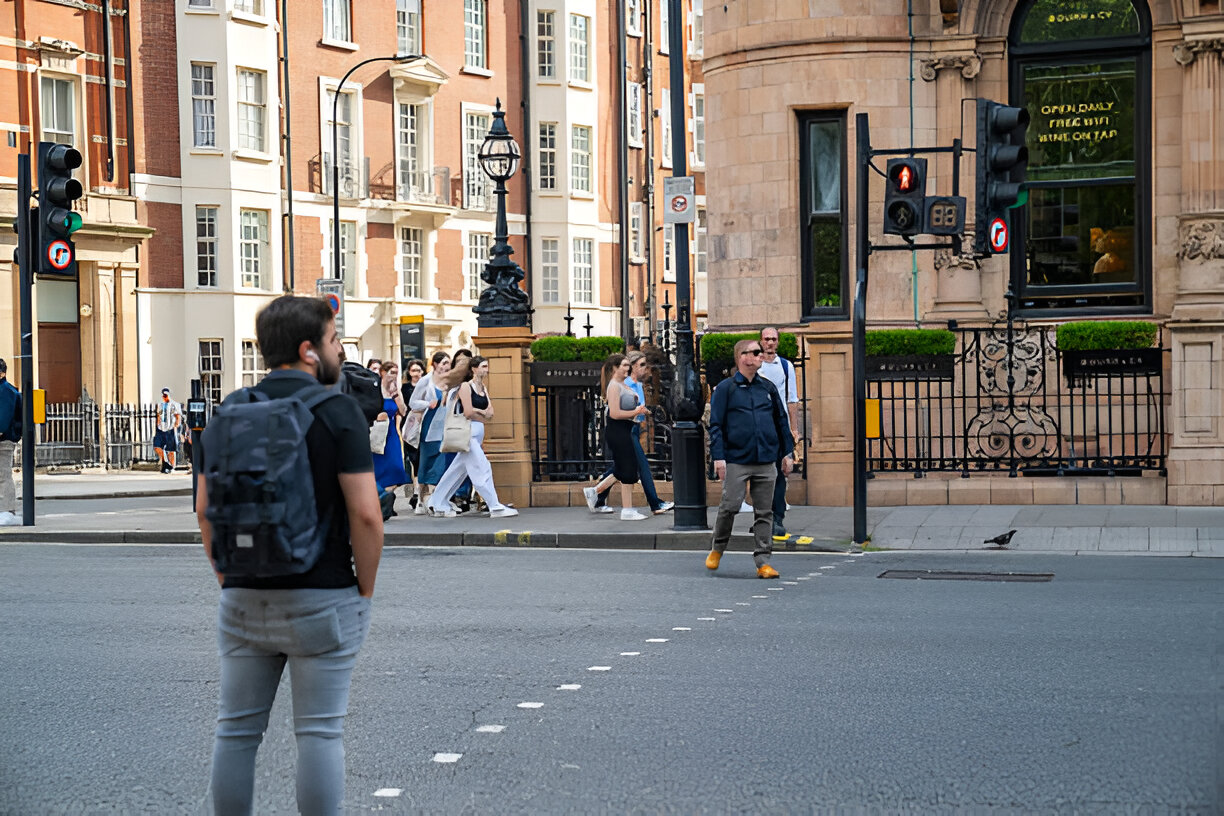
A crosswalk sends a message. It tells drivers to slow down and give space. It gives pedestrians a safe lane to move forward. In busy cities like New York, crosswalks play a huge role in preventing confusion.
Crosswalks in poor condition increase the risk. Faded paint, unclear markings, or blocked views make it harder for people to walk safely. Clear crosswalks help create consistency, lower the chance of crashes, and support smoother flow at intersections.
Shimlaw looks at crosswalk design when evaluating cases. A poorly designed or neglected crossing reflects a larger issue. When someone gets injured at a crosswalk, the condition of that crossing helps shape the path forward.
Benefits of strong crosswalk design:
Traffic signals do more than switch colors. They organize movement. In cities like New York, signals shape the entire rhythm of the streets. When they work correctly, they lower stress and prevent crashes.
Pedestrians need time and space to cross. A short walk phase or unclear signal makes things worse. Signals that confuse or stop working create chaos. Drivers rush. Pedestrians hesitate. Accidents happen.
Shimlaw investigates the role of signals in each case. Faulty signals leave room for injury. Proper timing, maintenance records, and signal placement all come under review.
What strong signals offer:
Pedestrian-only phases let people cross without traffic turning through the intersection. Cars wait. People walk in all directions. These phases bring peace to busy corners of the city.
This kind of signal design cuts down on conflict. With no vehicles moving during the walk phase, pedestrians feel more confident. It creates a safer and more predictable experience.
Shimlaw supports changes that favor pedestrian-first thinking. If an area sees a high number of injuries, but lacks a pedestrian-only phase, that raises concern. A simple shift in signal timing can save lives.
Why pedestrian-only signals matter:
Crosswalks and signals lay the foundation. But many streets go further by adding extra safety features. These tools help more people move confidently, including those who face extra challenges.
Audible signals assist those who cannot rely on sight. Curb ramps support wheelchairs and strollers. Raised medians provide a pause for longer crossings. All of these features help create a safer city.
Shimlaw values the presence of these details. Each one shows that a city cares. Each one also signals a possible failure when missing.
Helpful safety enhancements include
Pedestrian injuries leave a deep impact. A broken crosswalk or faulty signal changes someone’s life in seconds. That person now faces pain, bills, fear, and uncertainty. Shimlaw steps in with steady hands.
The team works fast to protect victims. They gather photos, speak to witnesses, check public records, and review designs. Every case gets care, attention, and strategy. Nothing gets missed.
Shimlaw uses clear evidence to build pressure. With engineers, traffic analysts, and medical experts, Shimlaw shapes a full picture. The firm speaks for people who feel voiceless. The result brings recovery and fairness.
Shimlaw focuses on
New York offers many law firms. But Shimlaw stands out. The team brings true knowledge of pedestrian rights, traffic laws, and urban safety. They don’t just talk about justice.They work for it.
Clients meet real attorneys, not just phone screens. Each case gets personal focus. No pressure. No surprise costs. Just honest advice and strong legal effort.
Shimlaw also works with a no-win, no-fee promise. Clients pay nothing unless the case brings results.
What sets Shim Law apart:
If a street injury changed your life, the time to act is now. Streets carry a duty to protect everyone. When that duty gets ignored, someone must answer for the harm.
Shim Law helps you take control. The team listens, guides, and takes action. Each step brings progress toward healing, justice, and safer streets for all.
Call Shim Law today or visit the website. Your case matters. Your story matters. Start with one simple conversation. That step could make all the difference.
Pedestrian safety starts with structure. Clear crosswalks, working signals, and thoughtful design all shape safe movement. When those tools fail, people suffer. Injuries rise. Trust fades. Shimlaw steps forward with purpose.
The streets of New York need more care. Every injury shows what still needs to improve. Shimlaw stands with every person who walks with confidence and fights for those who got hurt when that confidence broke.
Let the Shim law support you. One step leads to recovery. One call leads to justice.
Reach out to Shim Law today. Begin the process toward a safer future.
📞 Visit shimlawgroup.com to book your consultation, or call us today.