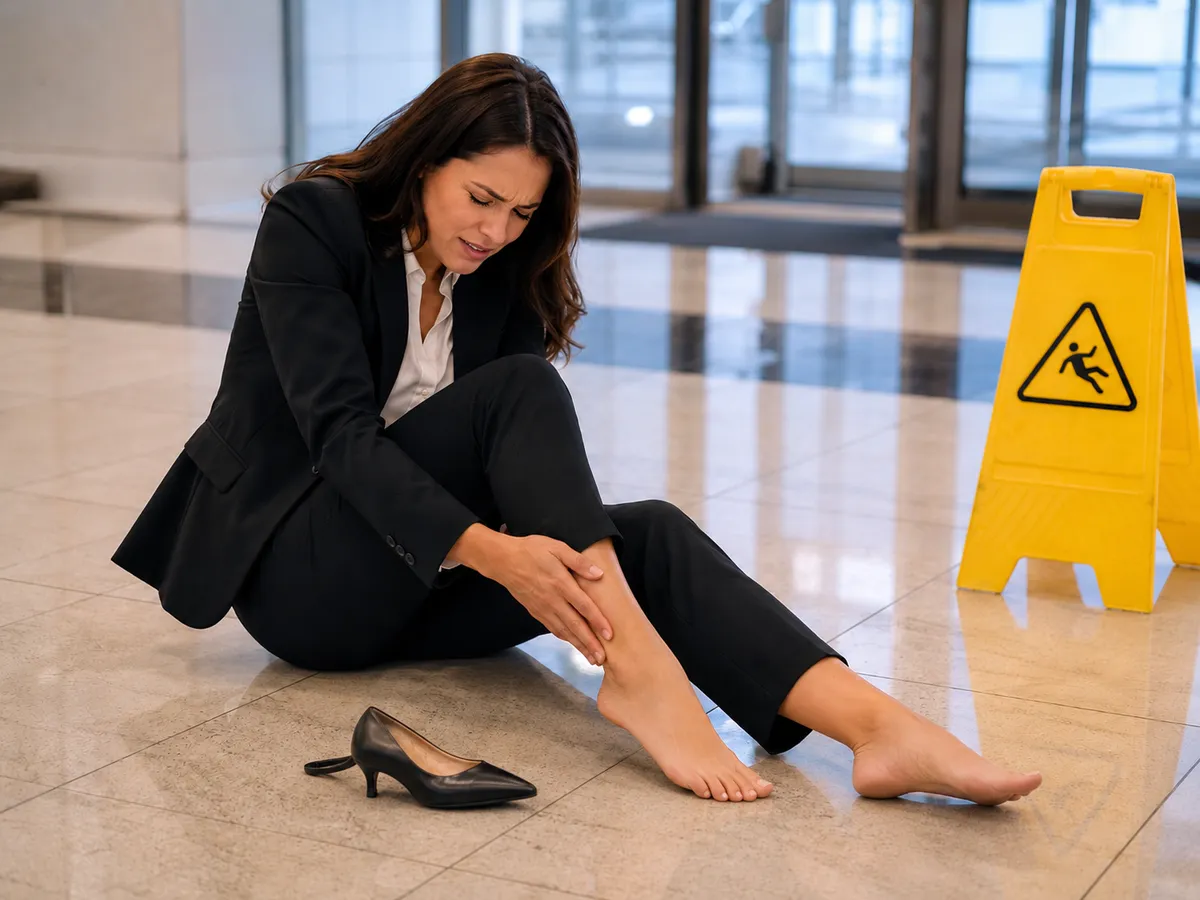
A wet floor, a loose tile, an icy step. Working out who is legally responsible is rarely as obvious as it looks, and in New York City the answer often turns on who owns the building next to the sidewalk.
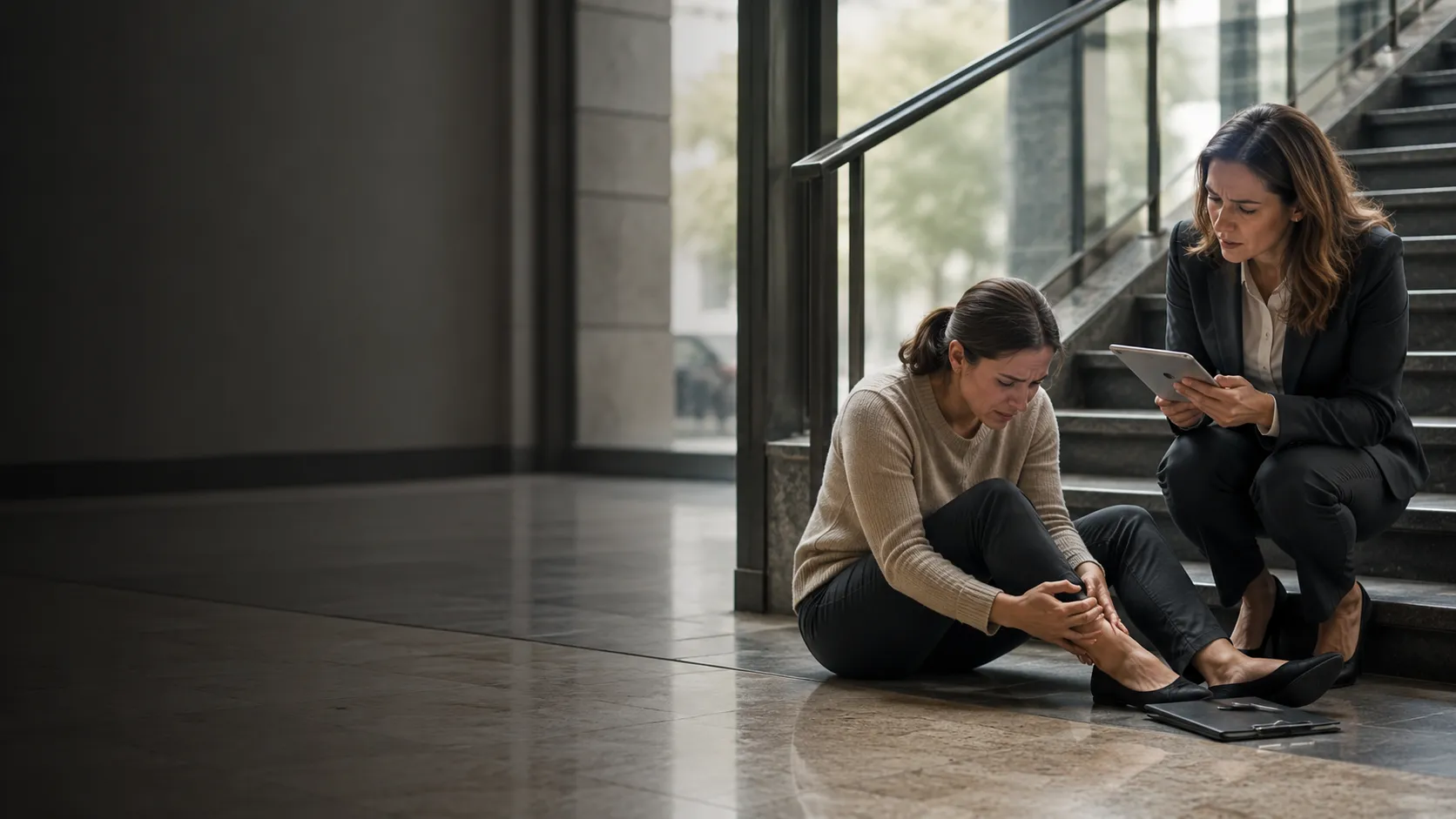
A wet floor, a loose tile, an icy step. A fall takes a second and the consequences can last years. New York law does protect people injured on someone else's property, but a claim only succeeds if you can show who was responsible for the condition and that they knew about it, or should have.
That is the part these cases turn on, and it is the part we do. This page explains who the law holds responsible, how sidewalk liability works in New York City specifically, and what we do to prove it.
Premises liability covers injuries caused by an unsafe condition on someone's property. If you were hurt because a hazard was not repaired and no warning was given, you may have a claim. That includes falls in:
Owners and managers have to keep their property reasonably safe. A claim needs more than proof that you fell. It needs proof that the responsible party either created the hazard, knew about it and left it, or that it had been there long enough that a reasonable owner would have found it. That last one is where most cases are won, and it is why the timing evidence matters so much.
Responsibility depends on where you fell and who controlled that space.
Owners have a duty to repair unsafe conditions. A shop that leaves a spill unmarked is responsible for the fall that follows. So is a landlord who ignores a broken step, a leak, or a loose tile in a common area.
Whoever runs the property day to day may share responsibility. Where a commercial tenant controls the area you fell in, their lease and their maintenance practices become part of the case. We obtain the lease, because it usually settles who was supposed to be looking after the spot where you fell.
Sidewalk liability in New York City works differently from what many people expect. Under New York City Administrative Code 7-210, the owner of the property next to a public sidewalk is responsible for keeping that sidewalk in a reasonably safe condition, not the City. The exception is a one, two, or three family home that is owner occupied and used only as a residence, where responsibility stays with the City. The same crack in the sidewalk can therefore produce a claim against a private owner on one block and against the City on the next, with different deadlines. Working out which applies is one of the first things we do.
Falls in the subway, in parks, or on other public property may involve the City or the State. These claims run on a much shorter clock: a written notice of claim is generally due within 90 days. We identify this at the outset, because the deadline is easy to miss.
Sometimes the responsible party is not the owner at all. A cleaning contractor who fails to mark a wet floor, or a builder who leaves a tripping hazard, can be liable in their own right. We look for these parties because they carry their own insurance, which can matter a great deal where the owner's cover is thin.
Older buildings, crowded pavements, and hard winters make this city harder than most. The conditions we see repeatedly:
For each of these we work backwards to the same question: how long was it like that, and who knew? Maintenance logs, prior complaints, and repair records are what answer it.
What happens in the first day or two often decides what the claim is worth:
Photographs matter more here than in almost any other kind of case, because the condition that injured you is usually repaired within days. Once it is fixed, proving what it looked like becomes much harder.
These cases are not won with medical records alone. They are won by proving the hazard existed long enough that someone should have dealt with it. Concretely, we:
This article is general information about New York law, not legal advice, and reading it does not create an attorney-client relationship. Every case turns on its own facts. For advice about your situation, call (718) 878-1177 or contact us.

Possibly. Owners have to clear snow and ice within a reasonable time, and in New York City the owner of the abutting property is usually the one responsible for the sidewalk under Administrative Code 7-210. What matters is how long the ice had been there and what the weather was doing. We check the timing against official weather records and any snow removal records, because an owner is not expected to clear ice while it is still forming.
That does not end the claim. New York applies pure comparative fault, so being partly responsible reduces your recovery by your share of the fault rather than barring it. Someone found twenty percent at fault can still recover eighty percent of their proven damages.
In New York, most personal injury lawsuits must be started within three years of the date of the injury (CPLR 214(5)). If a city, public authority, or other public entity is involved, the deadlines are much shorter: a written notice of claim is generally due within 90 days of the incident (General Municipal Law 50-e), and the lawsuit must be started within one year and 90 days (General Municipal Law 50-i). Which deadline applies depends on who is responsible, so confirm it early rather than assuming the three-year figure covers your case.
Yes, if the shop created the spill, knew about it and left it, or it had been there long enough that staff should have found it. This is why we move quickly on surveillance footage and cleaning schedules. Footage showing how long a spill was present is often decisive.
You may still have a claim. In practice these claims are usually met by the homeowner's liability insurance rather than by the homeowner personally, though that depends on the policy. This is worth discussing before you decide not to pursue a claim.
Most premises liability cases settle. We prepare each one as though it will be tried, because that is what makes a reasonable offer more likely, and we are willing to try a case where the offer does not reflect its value.
It depends on the injury, the treatment you needed and will need, income you lost, and the effect on your daily life. We cannot give a reliable figure at a first phone call. What we can do at a first meeting is explain what the case turns on and what evidence would be needed.
They help a great deal, but their absence is not fatal. We also obtain surveillance footage, witness statements, maintenance records, and prior complaints. If you do have photographs, keep the originals rather than screenshots, because the file data can establish when they were taken.
It may well be. A delay gives the other side an argument, but it is one we can often answer with other evidence. The bigger problem with waiting is that footage gets overwritten and conditions get repaired, so it is worth speaking to someone sooner rather than later.
The consultation is free, and premises liability matters are handled on a contingency fee, so the fee comes out of a recovery and there is no fee if there is no recovery. We will explain the fee and how case expenses are handled in writing before you retain us.
A free consultation is the fastest way to find out where you stand and what your options actually are.