Bicyclist·$85K Settlement/MVA·$75K Settlement/MVA·$90K Settlement/MVA · Rear End·$115K Settlement/MVA · Passenger·$110K Settlement/Pedestrian·$80K Settlement/MVA·$76K Settlement/MVA·$67K Settlement/

Contesting a Protective Order: Your Legal Options

In New York City, an order of protection is a powerful legal tool designed to protect individuals from harassment, abuse, or violence.
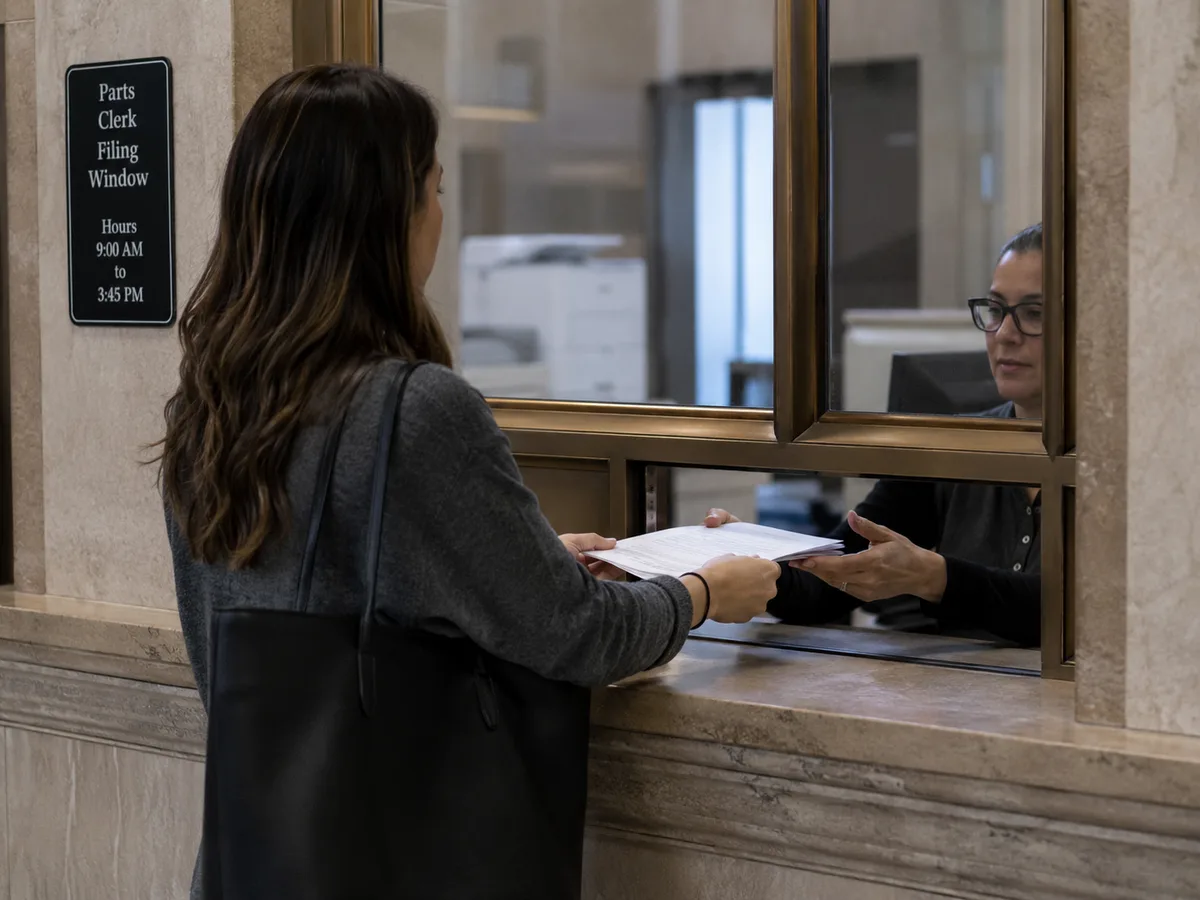
A woman handing paperwork through a courthouse clerk's filing window

How to Contest a Protective Order in NYC and Protect Your Rights

In New York City, an order of protection is a powerful legal tool designed to protect individuals from harassment, abuse, or violence. If you are facing such an order, you may feel overwhelmed and uncertain about your next steps. However, understanding your rights and legal options is crucial. The process of contesting a protective order requires expert legal guidance to navigate the complexities of domestic violence laws.

We understand how stressful and confusing it can be to navigate the legal process when a protective order is involved. Whether you are seeking protection or contesting an order, our team of experienced attorneys can guide you through every step of the process.

What is an Order of Protection in NYC?

An order of protection is a court-issued directive that prevents an individual from contacting or approaching another person. These orders are given in instances of domestic abuse, harassment, or violent threats, with the intention of safeguarding the victim. There are various forms of protection orders, which can be either temporary or permanent.

1. Temporary Orders of Protection: A temporary order is usually issued in emergencies. The court grants this order based on the victim's immediate safety concerns, often before a full hearing takes place.

2. Full Orders of Protection: After a hearing, the court may issue a full order, which may last for months or even years. Full orders can impose stricter conditions, including requiring the abuser to stay a certain distance away from the victim or their home.

Laws Surrounding Protective Orders in NYC

Recognizing the growing concern of domestic violence and other harmful behaviors, New York State law offers protective measures for individuals. Different parts of the law describe how protective orders are applied for and contested:

  • Family Court Act, Section 842. This provision concerns the granting of protective orders as part of family offense petitions, which consist of acts within a family group such as physical violence, mental abuse, harassment, and threats.
  • Family Court Act, Section 812. This section defines the family offenses that can support a petition and sets out which relationships bring a case within Family Court, and Section 821 governs the petition itself.
  • Penal Law, Article 120 and Article 240. Article 120 covers assault and related offenses, including menacing and stalking. The harassment offenses sit in Article 240. Several of the acts listed in these articles are also family offenses under Family Court Act Section 812, which is why the same conduct can produce a criminal case and a Family Court petition at the same time.
  • Domestic Violence Survivors Justice Act (DVSJA). This statute assists victims of domestic violence by offering them protective legal measures and avenues of relief.

Understanding these laws and knowing how they relate to you is especially important if a protective order has been issued against you. Violating the terms of a protective order can result in significant legal consequences, including imprisonment.

Your Legal Options for Contesting a Protective Order in NYC

If a protective order has been issued against you, there are several legal options available to contest it:

1. Challenge the Allegations: You have the right to deny the allegations made against you. If the evidence does not support the claims, we can fight to have the order dismissed.

2. Request a hearing: In many cases, you may request a hearing in which both parties can present evidence. During this hearing, you can challenge the order by presenting your defense.

3. Motion for Modification: If you cannot fully contest the order, we may be able to request a modification to make the terms less severe, such as allowing contact for specific purposes, such as child visitation.

4. Appeal the Decision: If you were unable to successfully challenge the order in the initial court proceedings, you can appeal the decision. We have experience in filing appeals and advocating for our clients in appellate courts.

How We Help You Contest a Protective Order in New York

If you find yourself facing a protective order, you may have options to contest or modify the order. we, with extensive experience in family law and domestic violence cases, can help you navigate the complexities of contesting a protective order. We can assist with:

1. Reviewing the Facts of the Case: Our team will analyze the circumstances leading to the order of protection and work to identify any inconsistencies, misunderstandings, or weaknesses in the allegations made against you.

2. Building Your Defense: We understand that accusations may not always be accurate. We will work closely with you to build a strong defense, gathering evidence and witnesses to support your position.

3. Negotiating Terms: In some cases, we may be able to help negotiate a modification or a less restrictive order of protection that will minimize the impact on your life.

4. Filing Appeals: If a protective order has been issued against you, and you believe it was done unjustly, we can help you file an appeal to challenge the court's decision and seek a reversal or modification.

Why Work With Us

Choosing the right legal representation is essential in a matter as serious as contesting a protective order. Here’s why we are the best choice for your case:

1. Experienced Attorneys: family law and domestic violence litigation are areas our attorneys work in regularly.

2. Client-Centered Approach: We work with you as a team, focusing on your needs to devise a tailored plan for your particular case.

3. Track Record of Success: We have built a reputation for successfully managing orders of protection cases, providing confidence and assurance that you will receive the necessary support.

4. Aggressive Defense: Serious allegations demand a bold and unyielding strategy to safeguard your rights and your future.

5. Confidentiality and Compassion: We protect your privacy while offering sensitive case management with confidentiality and compassion.

This article is general information about New York law, not legal advice, and reading it does not create an attorney-client relationship. Every case turns on its own facts. For advice about your situation, call (718) 878-1177 or contact us.

Shimun A. Ilyayev, Esq.
Written By

Shimun A. Ilyayev, Esq.

Founding Attorney
View Full Profile
Related Practice AreaFamily & Divorce

Contesting a Protective Order: Your Legal Options Questions, Answered by Our Attorneys

Yes, you have the right to contest an order of protection. Depending on the situation, you can challenge the order, request a hearing, or seek modification.

Violating a protective order can lead to serious legal consequences, including criminal charges, fines, and even jail time. It is crucial to comply with all terms of the order.

A protective order can last for a specified period, ranging from a few months to several years, depending on the circumstances of the case.

Yes, if you are a victim of domestic violence, harassment, or other harmful behavior, you can seek an order of protection to ensure your safety.

A protective order can affect your ability to contact or be near the protected individual, and violating the terms of the order can result in serious legal consequences.

Talk Through Your Situation With an Attorney

A free consultation is the fastest way to find out where you stand and what your options actually are.

Request a Consultation
Talk to an Attorney